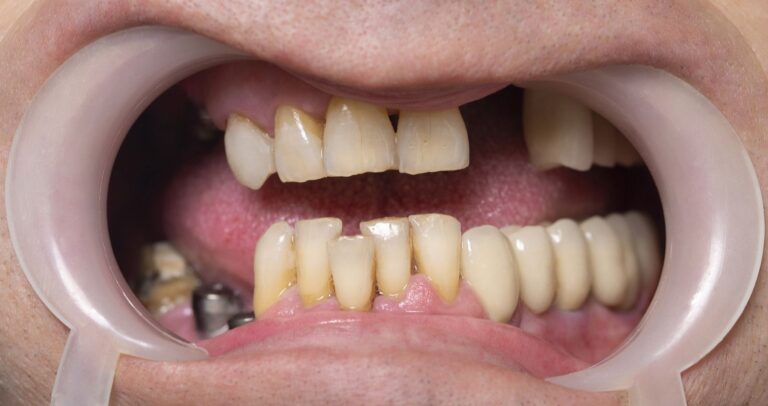
Many adults find a sinus lift necessary to ensure successful dental implant placement and restore their oral health. This specialized dental procedure helps enhance the bone mass in the upper jawbone by adding bone to the area of the molars and premolars. It is often recommended when there is not enough natural bone height to securely support an implant.
What Is A Sinus Lift Surgery?
The term “sinus lift” (sinus augmentation) might sound intimidating, but the procedure is straightforward and beneficial. Essentially, it’s a bone grafting procedure that augments the maxillary sinus floor and creates a suitable foundation for dental implants. By ensuring the stability of the implant, a sinus lift helps prevent dental complications and helps ensure successful implant placement in areas that were previously unsuitable due to bone loss.
Who Needs A Sinus Lift?
Not everyone who receives dental implants needs a sinus lift, but a dentist may recommend it when there isn’t enough bone in the upper jaw to support traditional implants securely. A dentist may suggest this procedure for several reasons related to bone loss or natural anatomy. In these situations, a sinus lift helps rebuild the bone needed to safely and successfully place dental implants.
- Tooth Loss: Teeth missing for a long time can lead to bone resorption, reducing the vertical bone height required for implants.
- Maxillary Sinus Expansion: Over time and from various factors, the maxillary sinuses can enlarge, encroaching on the jawbone and reducing the available bone area.
- Loss From Gum Disease: Periodontal disease can significantly deplete bone density, impacting the jaw’s ability to support dental implants.
- Anatomical Variations: Some patients naturally have a less vertical bone height, necessitating a sinus lift for successful dental implants.
- Previous Dental Conditions Or Injury: Past conditions or trauma affecting the jawbone’s density can be addressed with a sinus lift to prepare for implants.
What Happens During The Procedure
Knowing what happens during a sinus lift procedure can help you feel more comfortable and prepared for the procedure. While every patient’s treatment plan is slightly different, a sinus lift involves these general steps:
- Pre-Operative Evaluation: A detailed examination, including X-rays or CT scans, is conducted to determine the existing bone structure and sinus health.
- Comfort & Anesthesia: Local anesthesia numbs the area, and sedation may be offered to help you relax during the procedure.
- Accessing The Jawbone: A small opening is made in the gum tissue to reach the area where the bone needs to be added.
- Lifting The Sinus Membrane: Your dentist gently moves the sinus lining upward to create space for new bone material.
- Bone Graft Placement: Bone graft material is added to build up the jaw and create a strong foundation for future implants.
- Closure & Healing: The gum tissue is repositioned and stitched back in place, initiating the healing and integration process.
What Kind of Bone Is Used In A Sinus Lift?
The best option for bone grafting material depends on factors such as your overall health, how much bone is needed, and your individual treatment plan. In some cases, graft material may come from your own bone, while in others it may be a specially processed natural or synthetic material designed to support new bone growth. Over time, your body gradually replaces the graft material with your own natural bone, creating a strong foundation for future dental implants.
What To Expect During the Recovery Period
After a sinus lift, recovery is an essential part of the process. Your healing period and success can be maximized by following your dentist’s guidelines:
- Swelling & Discomfort Management: Mild swelling and discomfort are normal and can be alleviated with prescribed medications.
- Dietary Adjustments: Soft foods will be recommended initially to avoid disrupting the healing site.
- Avoiding Specific Activities: Strenuous activities and nose-blowing should be avoided to prevent pressure changes affecting the sinus area.
- Regular Follow-Up Appointments: Scheduled visits help monitor healing progress and address any potential concerns.
Addressing Common Concerns & Questions
Understandably, patients have various questions about the sinus lift procedure. Below, we address some of the common inquiries and worries:
The procedure is done under anesthesia, minimizing pain. Most discomfort occurs post-surgery but can be managed with medications.
Generally, it takes several months for the new bone to fully develop and integrate, allowing for secure implant placement.
While risks exist, such as potential sinus infections or membrane perforations, they are minimized with expert intervention and care.
Discover A Path To Healthier Smiles In Las Vegas
A sinus lift can be a vital step in restoring your oral health and preparing for dental implants. By understanding this procedure and partnering with a caring and professional dental team, you can achieve the smile you desire. If you’re considering dental implants in Las Vegas, NV, trust our expertise and personalized service to guide you through every step of the process. Contact Nevada Dentistry & Braces today to begin your path to improved oral health and enhanced quality of life.
related post

How To Tell Whether You Need Partial Or Full Dentures
When considering whether you need partial or full dentures, you should understand what each option involves.