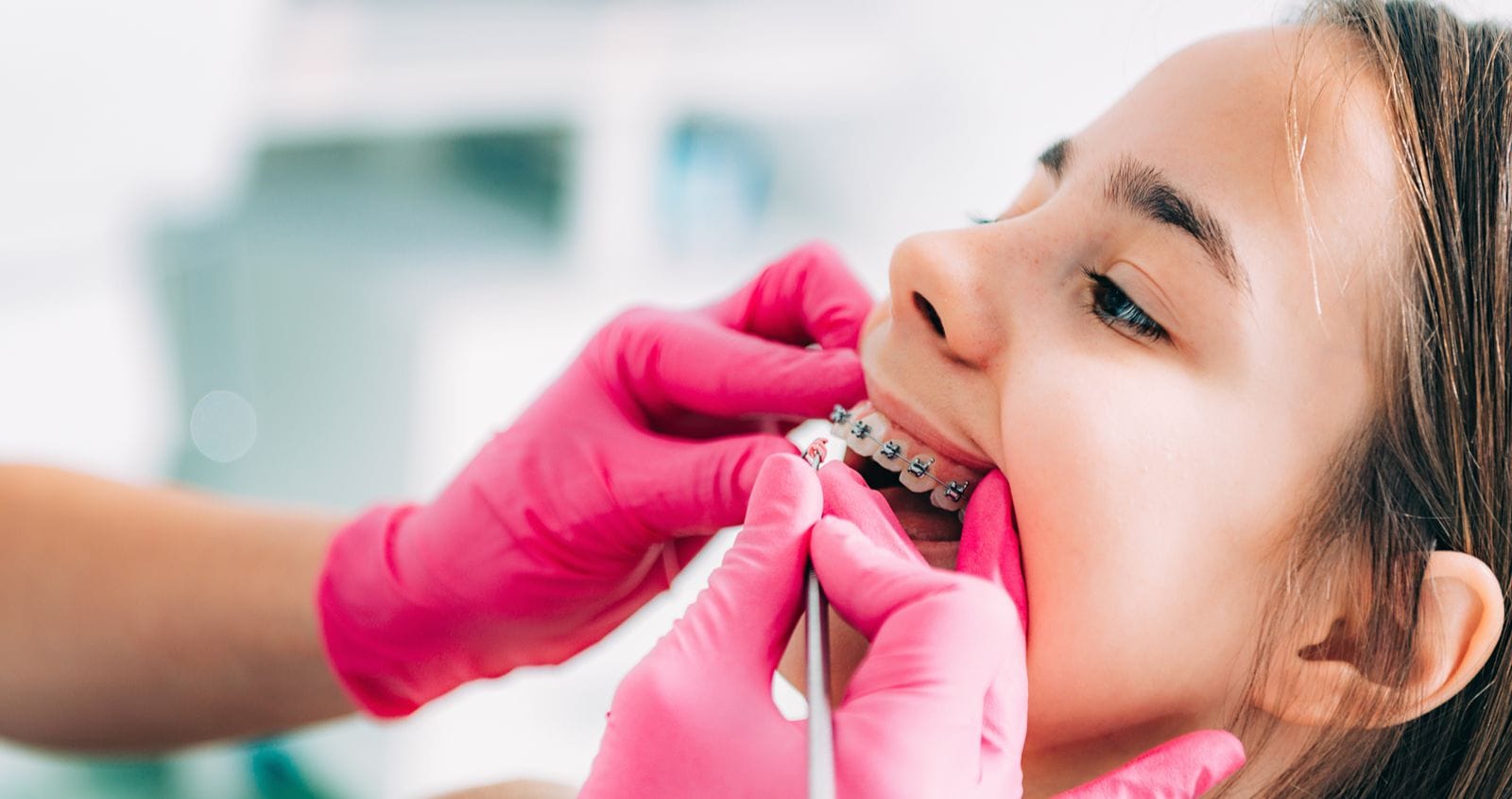
Braces themselves do not directly cause gum recession in most cases. But certain risk factors, oral hygiene habits, and existing dental conditions may contribute to receding gums during orthodontic treatment. Learning how to protect your gums will allow you to enjoy the benefits of straighter teeth while maintaining healthy periodontal tissues.
Gum Recession & The Real Causes
Properly planned orthodontic treatment is designed to move teeth safely within the surrounding bone and gum tissue. Gum recession after braces is usually linked to underlying factors rather than the braces themselves.
- Poor Oral Hygiene: Plaque buildup can lead to gum inflammation and periodontal disease.
- Thin Gum Tissue: Some patients naturally have less gum tissue protecting their teeth.
- Aggressive Brushing: Brushing too hard may gradually wear away gum tissue.
- Existing Gum Disease: Periodontal problems can progress during treatment if left untreated.
Why Are My Braces Making My Gums Recede?
It is important to schedule an examination rather than assuming the braces are the cause. As teeth move into better alignment, gum tissue may change in appearance, making recession easier to notice even if it existed before treatment.
In other situations, orthodontic movement combined with inadequate brushing, inflammation, or excessive force can contribute to gum problems. Regular orthodontic adjustments and dental checkups help identify concerns early before they become more significant.
Common Risk Factors For Gum Recession During Orthodontic Treatment
Not every orthodontic patient experiences gum recession. Certain individuals have a greater risk because of genetics, oral health history, or lifestyle habits that affect gum tissue.
- Thin Periodontal Tissue: Naturally delicate gums may be more susceptible to recession.
- Smoking Or Tobacco Use: Tobacco products can reduce healthy blood flow to gum tissue.
- Teeth Positioned Outside The Bone: Certain tooth positions may increase recession risk during movement.
- Poor Daily Oral Care: Inadequate brushing and flossing increase plaque accumulation.
How To Prevent Gum Recession While Wearing Braces
Good oral hygiene, routine professional care, and following your orthodontist’s recommendations all play important roles in maintaining healthy gums. Patients with braces should spend extra time cleaning around brackets and wires because food particles and plaque can collect more easily than on natural tooth surfaces.
- Brush Carefully: Use a soft-bristled toothbrush with gentle pressure.
- Floss Daily: Orthodontic floss threaders or water flossers can improve cleaning.
- Attend Regular Cleanings: Professional dental visits help remove hardened plaque.
- Keep Orthodontic Appointments: Routine evaluations allow adjustments to be monitored safely.
Can Orthodontics Improve Overall Gum Health?
Orthodontics often improves long-term oral health by correcting crowded teeth, bite problems, and spacing issues that make brushing and flossing difficult. Once teeth are properly aligned, many patients find it easier to maintain healthier gums and cleaner tooth surfaces.
Will Receding Gums Grow Back After Braces?
Unfortunately, gum tissue that has receded generally does not regenerate naturally. However, treatment options may help manage the condition and improve both function and appearance depending on the severity.
When gum recession is identified early, your dental provider may recommend improved hygiene techniques, periodontal therapy, or gum grafting procedures when appropriate. Early diagnosis often leads to better long-term outcomes.
Signs You Should Schedule A Dental Evaluation
While mild sensitivity may occur during orthodontic treatment, certain symptoms should not be ignored. Catching early warning signs allows dental professionals to evaluate your gums before additional tissue loss occurs.
- Tooth Sensitivity: Increased sensitivity to hot or cold foods may indicate exposed tooth roots.
- Visible Root Surfaces: Teeth may appear longer as gums recede.
- Bleeding Gums: Persistent bleeding can be a sign of inflammation or periodontal disease.
- Loose Teeth: Tooth mobility should always be evaluated promptly.
Trusted Orthodontics In Las Vegas For Healthy Smiles
Straightening your teeth should improve both your smile and your long-term oral health. If you have questions about whether braces cause gum recession, gum recession after braces, or how to prevent gum recession, the experienced team at Nevada Dentistry & Braces is here to help. We proudly provide orthodontics in Las Vegas, NV, with personalized treatment plans focused on achieving healthy, confident smiles while protecting your gums throughout every stage of care.

Why Routine Dental Visits Save Money Over Time
Routine dental visits can help Las Vegas residents protect their oral health while avoiding the higher costs associated with untreated dental problems. Regular check-ups allow a dentist to identify early signs of gum disease and other concerns